If you are a lover of Nathaniel Hawthorne (and even if you are not), perhaps you will enjoy my college-age perspectives on “Rappaccini’s Daughter,” a complex and symbolic story.
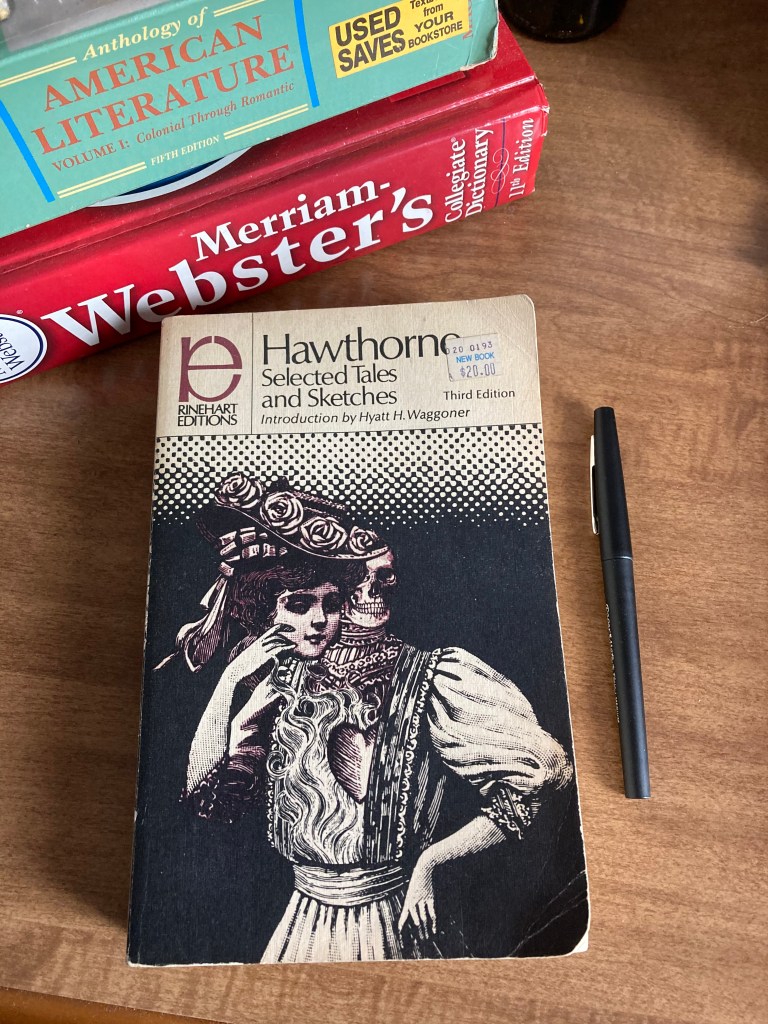
As a student of literature at Chatham College in Pittsburgh, PA, during the early nineties, I read and studied many of Nathaniel Hawthorne’s works, including his tales, sketches, and novels. His writing style, and the themes present throughout his writing, appealed to me.
“Rappaccini’s Daughter,” Hawthorne’s intriguing tale of an Italian scientist who uses his beautiful daughter, Beatrice, as the focus and instrument of a cruel experiment, especially affected me. It is a story of complex and multiple themes, and, therefore, one that lends itself to various interpretations.



 personalyummy.com