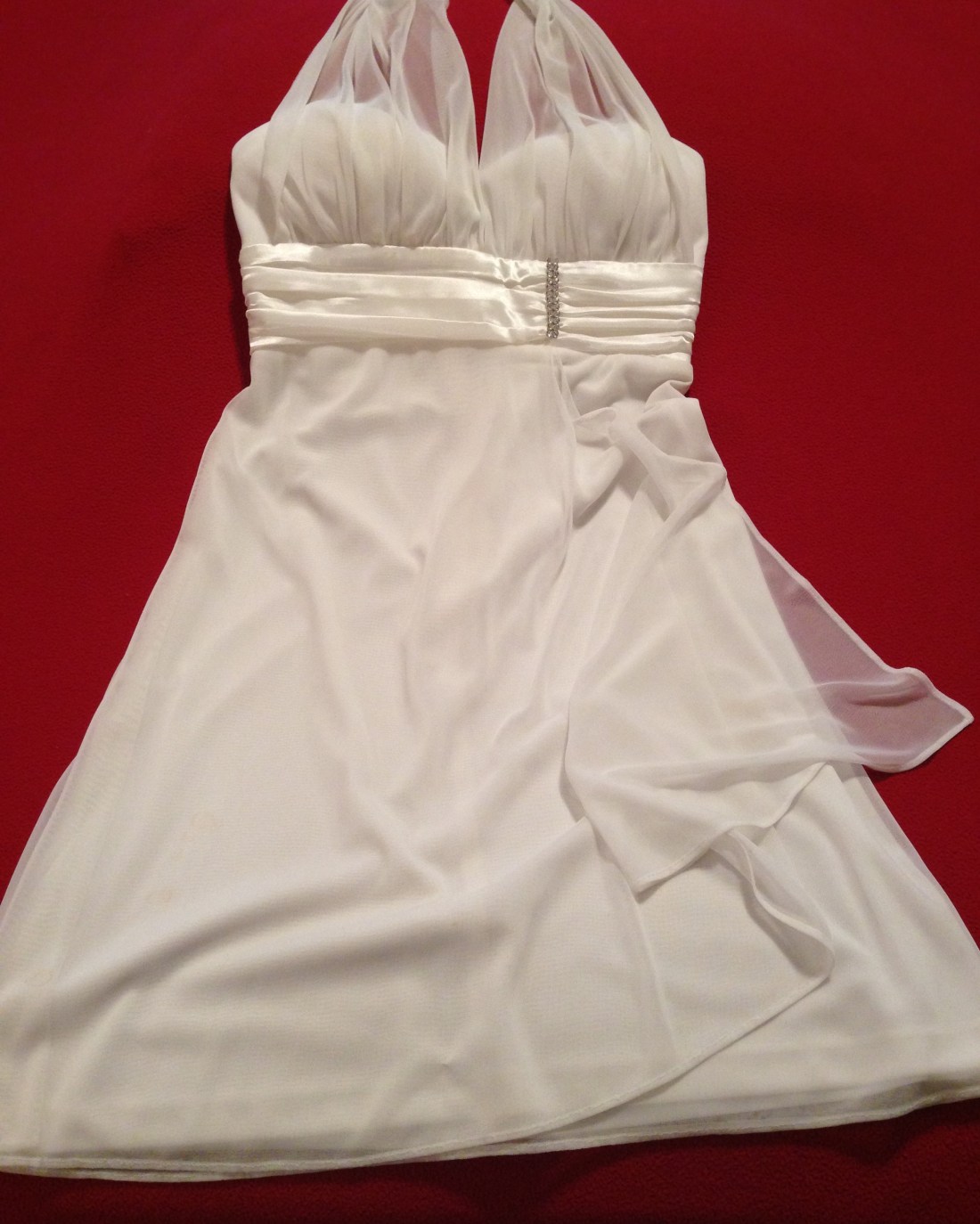
A Shade of White

Personal Yummy #21

IMG_White_resize

Wedding dresses
Snow
Loneliness
and
Linguini


Baileys
Bonbons
Coconut
and
Powder


Sneakers
Linens
Socks
and
Simplicity


Milk and Mediocrity


If white is your favorite color, you are sensible, optimistic, and wise. White is the color of pristineness, purity, and possibility.

Meditate today on the virtue of white, and on the courage and self-reliance that it inspires.

******

I hope you enjoyed the above musing on the color white. It is an excerpt from A Shade of Color: A Tribute to Color in Its Many Forms.

An Impromptu Cha-Cha

Personal Yummy #20

Following is the tenth excerpt that I’m sharing from my coming-of-age novel, The Grill on Murray Avenue—set in the nineties—about the inhabitants of an unassuming bar-and-grill in Squirrel Hill, a vibrant neighborhood in the east end of Pittsburgh. The story is told by Jenna, an idealistic, ambitious waitress who is at the center of it all.

If you’d like to meet the rest of The Grill’s characters, both the Kindle version and the paperback version of my novel are now available on Amazon.

Do you know how to cha-cha? If not, sign up for a class and get ready to have lots of fun.


An Impromptu Cha-Cha

The Carnegie Mellon University Ballroom Dance Club elite…

What an appearance they make.

There’s Drew, the president—brainy, stocky, and continually bald-headed (a condition he was born with)—sipping another Pepsi that I’ve just refilled. Liza, the vice president—a student in the School of Design; unabashedly frank and sexual—swishing around the stirrer in her gin and tonic. Pam, the secretary—blonde, friendly, and confident—taking another gulp of her beer. And Pat (short for Patrick), the treasurer—tall, nice-looking, and masculinely feminine—licking the salt off his margarita.

It’s quiet tonight, and except for my dance friends—and Rolanda, who is sitting at the bar feeding the electronic slot machine—the place is empty. And I have no clue why, but there’s something like elevator music playing on the sound system. So when Pam gets up and heads toward the wall jukebox, I’m not a bit surprised. What I am surprised about is that it took her this long.

She flips through the cards that list the selections, studies them for a moment, then pops in a few quarters and takes her pick.

DA! da da DA! da da DA! da da da DA! DA! DA!
DA! da da DA! da da DA!
DA! DA! … Uh!!!
Oye Como Va…

Tito Puente’s catchy tune begins.

Pam sits back down, but her heart just isn’t in it. She looks knowingly at each of her friends, and without a word they stand up in unison, move the tables to the side, and break off into pairs. Rolanda turns around to watch, and Nick—can this really be happening? He dims the dome-covered, hanging lights.

As she rock-steps back on her right leg, Pam sexily juts her hip to the side, and Pat steps confidently toward her, the connection apparent between them. Liza shoots her arm high up into the air, with a curling flourish of her wrist and fingers, while Drew spins around two times. Pam then spins around too, falling into Pat’s arms as he lowers her to the ground and as she lifts her right foot to her left knee and her chin to the sky. Liza and Drew flick their heads backward at the same time, Liza’s reddish-brown hair snapping in the air. The couples pass each other in horizontal and vertical patterns, even switching partners every now and then, in some kind of ordered disorder. And the barely perceptible headlights of the cars, as well as the interested eyes of the passersby, glimpse through the window at the mystery of the moving figures within.

As for me, I stand off to the side, completely engrossed in it all, involuntarily doing a few cha-cha-chas of my own.

Irwin: Receptionist, Plumber, and Crossword Puzzle–Lover

Personal Yummy #19

Following is the ninth excerpt that I’m sharing from my coming-of-age novel, The Grill on Murray Avenue—set in the nineties—about the inhabitants of an unassuming bar-and-grill in Squirrel Hill, a vibrant neighborhood in the east end of Pittsburgh. The story is told by Jenna, an idealistic, ambitious waitress who is at the center of it all.

If you’d like to become acquainted with the rest of The Grill’s characters, both the Kindle version and the paperback version of my novel are now available on Amazon.

Enjoy…

Irwin

“You’re different from most, you know.”

I am reaching and stretching, upon my tiptoes, for the large plastic container, full of colorful hard candy, that sits on the ledge above the register.

“Oh yeah, how’s that?” I answer, looking furtively over my shoulder as I place a yellow Jolly Rancher and a red cinnamon treat on top of the check that rests on the black plastic holder in my hand.

“I can just tell. From the way you work. Your attitude about every little thing… You know—you’re serious. You have a very good work ethic.”

I turn around slowly and smile, then walk a bit closer…

So he has been watching me, I think to myself, as I’ve thought—and sensed—so many times before. The way I move from table to table. The way my thin fingers rest upon the bar as black, fizzy Pepsi shoots from the gun into the ice-filled pint glass. The way a piece of soft hair lies astray upon my long, bare neck as I punch an order into the machine.

“That’s very sweet of you to say, Irwin,” I answer, looking thoughtfully at him, at his black, plentiful shock of hair, and at his black, thick-framed, thick-lensed glasses, as he sits at the bar having a beer. “And it’s even nicer of you to notice.”

“Oh, it wasn’t hard,” he quickly replies, chuckling in his innocent—yet-trying-to-appear-tough—way. “Not too hard at all.”

******

Everybody loves Irwin—or “Bubba,” as most are used to calling him, an oxymoron without a doubt—especially Curt and Nick and Mary Ellen (the kitchen manager and main evening-shift cook), who, in an instant, would lay down their lives for his. I’m not sure how or why or when or where they met—probably here at The Grill, where so many lifelong relationships have sprung and been nourished—but they are just about as close as people can get.

Frequently he arrives in the evenings when either Curt or Nick is bartending, all stocky-but-lean, five-foot-four of him strutting in—or attempting to strut in—like John Travolta dressed in too-blue blue jeans; a white, decaled, overly long T-shirt; and clunky, tired, open-laced high-tops. He then coolly pulls out a bar stool and sits “casually” upon it, one foot on the lower rung, the other placed firmly on the floor, legs spread wide, the empowering mound of gold and silver metal from West Penn Hospital—where he works as a receptionist—lying haphazardly on the bar. Next he orders a beer, in the most masculine voice he can find, and then takes a sip of it, slowly tapping his fingers on the bar and grooving his head up and down to the music, his chin in the lead.

After about an hour or two, when he gets up to leave, it’s obvious that he didn’t really come in for the beer—there is usually at least a quarter, sometimes more, of the liquid left in the only bottle he ordered. Rather, it was the friendship and the chatting that he was after, and—depending on who was working—the observing and the watching.

Some nights he arrives especially late, and just for Mary Ellen, who has called him in desperation. Either the sink is relentlessly clogged (with various scraps of food), the faucet is leaking all over the place, or some essential parts are getting rusty and old. So many times—and just in time—he appears in the kitchen through the back door, his glasses fogged up, but his mighty, experienced, red toolbox right beside him. Down on his knees he goes, flat on his back he lies, no dirt or wetness fazing him, his tools fitting perfectly in the grooves of his hands, like familiar friends. And in no time at all, and with a magical skill, the problem is gone. The sink drains effortlessly, the faucet is done crying, the parts glisten shiny and new. It hasn’t taken me long to realize that working at the hospital is his day job, but plumbing—it is his art.

When Irwin isn’t actually physically at The Grill, he is here over the phone, calling up Curt, again and again, for help on the Pittsburgh Post-Gazette daily crossword puzzle, which he loves to challenge himself with (to make up for the challenge he apparently isn’t getting at the hospital). And he is right—Curt is the person to ask. He is especially good at the puzzles, doing them every now and then when he has the chance. I hear him dishing out answer after answer to Irwin—Barton…mardi…Cook…Waters…—while I imagine Irwin eagerly filling in square after square, using a number two pencil, making thick, deliberate letters. Every now and then I even get to participate, like the time Curt handed the phone to me, saying, “You’d better handle this one.” I picked up the phone, said hello, and there was Irwin, talking in a serious, earnest voice, like he was getting ready to operate: “Okay, you’re ready?… This has five letters, ending with an a. And here is what it says… Ready?… Okay… Af-ri-can dance…name means…‘to rub navels together.’ Have any—”

“Oh, oh!” I replied, cutting him off, so proud to know the answer. “It’s samba! The answer is samba!”

A few seconds of silence followed this outburst, but then Irwin responded with one of his own.

“Right!… Oh yeah, right! I think you’re right!… I would’ve never gotten that one!… That’s great! Thanks for your help! Now I should be able to get the rest of them!”

Sometimes, when he hasn’t had the chance to call during the day, he even brings the unfinished crossword puzzle in with him after work, interrogating anyone who seems interested—a raised eyebrow or a wrinkled forehead giving them away—passing the paper from person to person until each mystery is solved. “I think I know it, Irwin” or “Give me a second to think” are the kinds of expressions that are soon flying around the place, accompanied by hands scratching heads and shoulders hunched forward eagerly. When an answer is finally found, especially one that has taken an extra amount of time and effort, you would think that the Steelers just won the Super Bowl! The clapping, the yahooing, the smiling, the noise—there is just so much of it.

What a simple thing it is, this Irwin-inspired detective game, but how happy and involved—and connected—it makes all of us feel.

Chicken Sandwiches, Willa Cather, and Stephen King

Personal Yummy #18

Following is the eighth excerpt that I’m sharing from my coming-of-age novel, The Grill on Murray Avenue—set in the nineties—about the inhabitants of an unassuming bar-and-grill in Squirrel Hill, a vibrant neighborhood in the east end of Pittsburgh. The story is told by Jenna, an idealistic, ambitious waitress who is at the center of it all.

If you’d like to become acquainted with the rest of The Grill’s characters, both the Kindle version and the paperback version of my novel are now available on Amazon.

Enjoy…

Rolanda

Invariably, whenever I walk through the door, there she is: an attractive, spectacle-wearing, African American woman in her mid-fifties, sitting at the leftmost end of the bar, next to the wall; sipping a scotch and water with a lemon twist; delicately smoking her sleek, long, brown cigarette; and playing the slot machine—her chin tilted slightly up, a discerning look in her eyes.

Rolanda is her name—or Lanny, as most are comfortable calling her. Sometimes, in the evening or on a weekend, I’ll see her in a fancy pantsuit, sitting there comfortably—but, most of the time, she is simply in her blue post office uniform, her hair pinned loosely at the back of her head, a curl or two escaping on her cheek, her tiny gold-hooped earrings catching the dimmed light.

She’s an employee of the Squirrel Hill Post Office, and has been so for quite a long time now. The post office is located just a few doors down from The Grill, on the corner of Murray and Darlington. Thus, The Grill, given its closeness and affordability, is the perfect place for her to go during her lunch break. Every day, she stops in for a bite to eat and a game on the slot machine—sometimes two or three, depending upon whether she has an entire hour or just half of one.

She enjoys trying the lunch specials and homemade soups, and she’s particularly taken a liking to the various types of chicken sandwiches—the Cajun chicken, the bleu chicken, the bacon and cheddar chicken, the chicken au naturel—always requesting an extra mini plastic cup of mayo on the side. However, Curt, who gives her extra-special attention, consistently remembers the extra mayo before she even has to ask, one of the best things about being a regular here.

Lunch for her is usually from noon to twelve thirty or one, and then she’s gone for the afternoon. But not more than ten minutes after five, she walks through the door again and takes her spot at the bar, which is more often, than not, vacant, as if everyone in the restaurant follows the unspoken rule that it is reserved for only her. She then takes a sip of her scotch and water through the thin plastic stirrer lying slantwise in the ice—the cocktail had been placed in front of her as she sat down.

Besides playing the slot machine, enjoying an after-work drink, and chatting with her crazy coworker Marcy—who giggles louder and talks louder with each beer she enjoys, and who tells a few off-color stories, if she can get away with it—Rolanda loves to read. There is often, lying on the bar beside her glass and skinny pack of cigarettes, an inviting, thick, paperback book. Among various others over the years, My Ántonia is one of the novels that is given that privileged spot.

My Ántonia… Hmm… How is it, Rolanda?” I ask one early evening before business starts to pick up. I notice the book as I’m returning an empty wineglass to the bar. I run my fingers lightly over it.

“Oh… Well,” Rolanda answers, her eyes landing on the book and studying the cover, “I’m really enjoying it…yes, I really am…and I do have to say that I’m learning quite a lot from it too. It’s set during the late eighteen hundreds in America and tells about the movement west and the deep relationship that develops between a young boy and girl.”

“Sounds very interesting…although…yeah, I really don’t remember having read anything by Willa Cather before, and, to tell you the truth, I really don’t know that much about her either,” I admit.

“Me neither, honey,” Rolanda replies, shaking her head, “except it says in the preface that she lived in one of the beautiful houses on Murray Hill Avenue in—when was it exactly?—from 1901 to 1906, I believe… To be honest, that’s one of the reasons I picked up the book in the first place,” Rolanda says, smiling.

Really? She actually lived on Murray Hill Avenue?”

I find this so intriguing because I am a student working toward an English degree at Chatham College—a gorgeous women’s college nestled between Squirrel Hill and Shadyside—and Murray Hill Avenue is the cobblestoned, hilly road, lined with expensive and lavish homes, that runs just outside of, and parallel to, the college. I’ve walked and driven up and down that avenue many times—my car bumping along, my teeth vibrating—and a few of my professors live along it, including my French professor and one of my English professors, who is also my tutorial adviser. I’m also very interested in learning anything I can about writers—especially writers of the classics—such as finding out about where they lived and worked, how where they lived and worked influenced their writing, how they had become writers, and what kind of temperament they had. I suppose, also, since I’ve been seriously thinking about becoming a writer—in the midst of all my other artistic pursuits!—that in the back of my mind I consider it a rather good omen that such a famous writer lived so close to where I am attending college.

I pause, as all of this zips through my mind, an expectant look in my eyes, I’m sure, but then I finally say, “Rolanda, would you mind if I borrowed that when you’re finished?”

“Of course not, honey. I’m about halfway through it, so I should be able to get it to you before too long.”

******

It’s nearing dusk on a Saturday, and the streetlights have just made their welcome appearance. I gaze at the busy street for a moment through the large, front windows of my favorite coffeehouse, the 61C, as a lime-green pot of Earl Grey steeps and steams on the little square table where I’m sitting, a miniature orange and red lamp providing a small area of light and warmth. REM fills the room with their unique sound, but, unbelievably, I hardly hear the music as I pick up Rolanda’s book and study the cover—the elaborate letters that fit so well together, the picture foretelling, but maybe not, what is going to be told inside. I slowly open it up, perusing the copyright page, then the title page—these are both important for me to take in—then I read the introductory material about Willa Cather’s life, as has Rolanda. I then slowly turn the page and read the opening sentence—“I first heard of Ántonia on what seemed to me an interminable journey across the great midland plain of North America”—and, for this moment at least—unlike so many others in my life—the restlessness has vanished.

******

So eager to let her know what I thought of it, I return Miss Cather’s best-seller to its owner. What I encounter, however, completely makes me forget all about my original intentions. You see, a dog-eared, paperback Stephen King novel is resting comfortably in the place of honor.

“Oh! You mean—you like Stephen King?” I ask, my face accentuating the tone in my voice, as usual. “That’s definitely a switch from Willa Cather.”

“Oh yeah, I know,” Rolanda replies, laughing, apparently humored by my puzzled expression. “I really like mysteries and science fiction—better than anything, actually,” she continues, “and even a good horror story every now and then. I mean, I had picked up My Ántonia for a change and, like I mentioned, I was interested since I had heard that Cather had lived for a few years in Pittsburgh.”

To be honest, I’m not interested in those genres—science fiction and mystery a tiny, little bit maybe, but certainly not horror—so I’m not going to ask her to borrow the novel. Plus, I’ve always heard rather frightening, gruesome stuff about Stephen King’s novels and am not yet ready to give them a try. One of these days. Maybe. But now? No. Forget it. I think I’ll stick to my Hawthorne, and maybe some Poe. True, some of their stuff is really dark, creepy, and chill-inspiring, too, but in an entirely different way.

Well, at least I think so. But, then again, maybe they are more similar than I think. One of these days I’ll just have to find out.

Just then, Remmy—with her short, blonde hair, attractive face, and energetic spirit—walks by. But then she just as quickly turns back around.

Carrie, Lanny? Get out! That was an awesome book! Are you liking it?”

I look at both of them in confused, dilapidated wonder.

“Well, it’s been giving me quite a thrill, to say the least,” Rolanda replies.

“It surely will do that—no kidding. After having read that one, though, I’ve been meaning to read the rest of his books, but, unfortunately, I just haven’t had the chance yet.”

At this comment, Rolanda’s eyebrows rise, and the corners of her mouth turn up intriguingly. “Well…kiddo,” she replies, and then pauses for a moment, “this just may be your lucky day.” She pulls down the handle of the slot machine with a great deal of gusto.

******

Rolanda slowly walks in with an old cardboard box, books piled to the top, partially obstructing her view—and my view of her. She eventually puts the box down on top of the bar with a heavy sigh, but with also a smile, as always. And then she lets us in on the story.

It turns out that a month or two ago an old friend of hers gave her the books when he moved out of town. “If it were me, however, I wouldn’t have given all the books away like that—no way,” she continues, shrugging, “but oh well…I’m certainly enjoying them. I mean, there’s a smattering of everything in there!” Yes, there are some Steels and a few Koontzes and one or two Tolkiens and even some Dickens (the guy had quite an eclectic taste, I’d say), but, at this moment, these don’t really much matter—to Remmy, at least. Much to her amazement, and delight, the complete Stephen King collection is scattered among them.

And I can only imagine how freaked out she’s gonna be by the end of this.

******

“Hey, Lanny! I’m ready for the next one!”

What? Are you serious?” Rolanda replies, her eyes wide. “That was really quick!”

“Well, you know, when something catches your int—”

Rolanda gently puts up her hand. “You don’t have to say anything more, sweetheart. I know exactly what you mean. Just a second, and I’ll ask Bobby to get the box out of his office.”

******

It’s even more fun coming to work nowadays, getting to see Remmy and Rolanda rummage through that treasure trove, deciding which adventure Remmy will go on next. They don’t even care if I eavesdrop and learn about King’s plots and his style of writing, as they wonder how he could have ever come up with such bizarre, terrifying stuff, but are evidently so deliciously glad that he did. And, quite tickled myself, I can’t help but think, again and again (even beginning to seriously consider picking up a Stephen King novel myself—God forbid): Who would’ve known it? This place I work, this deceptively simple bar-and-grill, has turned into a meeting-of-the-minds haven.

And all because of Rolanda.

******

Each evening, around seven or eight, sometimes later, she’ll say, “Well, it’s about that time, Nick… Would you mind calling me a cab?”

“Sure thing, Rolanda.” And Nick will happily do so.

“Did they say how long he’d be?” she’ll ask, as Nick hangs up the phone.

“Ah…probably around ten to fifteen minutes…at the most.”

“Oh!—well then,” she’ll say, sitting back down on the edge of the stool, with one foot on the rung and the other on the floor, her coat on but her mind still with her friends relaxing around the bar, “Why don’t you give me one more…”

A Shade of Green

Personal Yummy #17

IMG_Green

Central Park
Cabbage
Lettuce
and
Legumes


Emeralds
Eyes
and
Envy


Limes
Tea
Grasshoppers
and
Leprechauns


Jello
and
Jade
and
Kiwi


If green is your favorite color, you are practical, caring, and intelligent. Green is the color of nature, fortune, and energy.

Meditate today on the allure of green, and on the growth and prosperity that it inspires.

******

I hope you enjoyed the above musing on the color green. It is an excerpt from A Shade of Color: A Tribute to Color in Its Many Forms.

A Shade of Pink

Personal Yummy #16

IMG_Pink

A glass of rosé
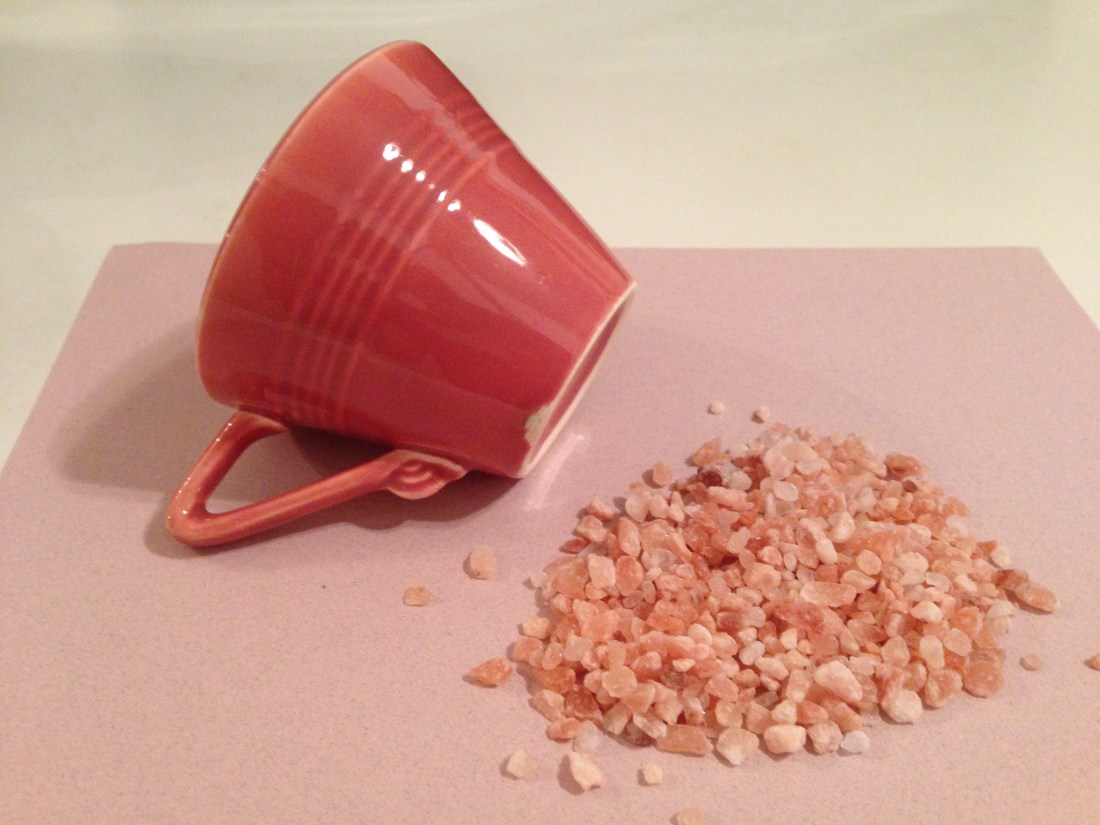
Himalayan salt
and
Blushes


Carnations
and
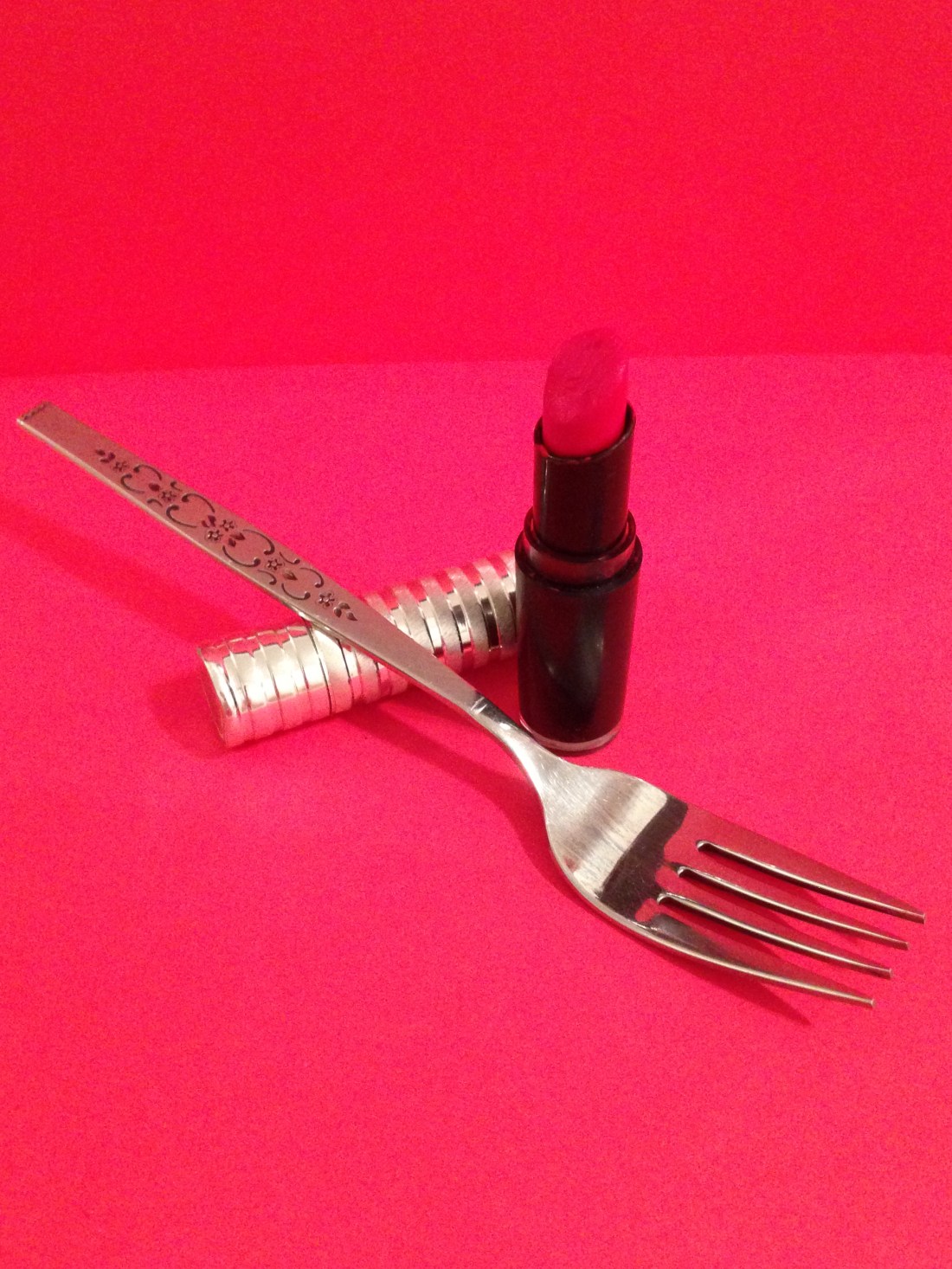
Nail polish


Controlled desire


Diamonds
Lemonade
and
Icing


and


Sand
Hope
and
Bubblegum


If pink is your favorite color, you are generous, romantic, and nurturing. Pink is the color of compassion, ease, and sweetness.

Meditate today on the beauty of pink, and on the softness and affection that it inspires.

******

I hope you enjoyed the above musing on the color pink. It is an excerpt from A Shade of Color: A Tribute to Color in Its Many Forms.

My Coworker Jack: He’s Not My Type

Personal Yummy #15

Following is the seventh excerpt that I’m sharing from my coming-of-age novel—set in the nineties—about the inhabitants of an unassuming bar-and-grill in Squirrel Hill, a vibrant neighborhood in the east end of Pittsburgh. The story is told by Jenna, an idealistic, ambitious waitress who is at the center of it all.

Interested in finding out more about Jack and Jenna? Both the Kindle version and the paperback version of my novel are now available on Amazon.

Enjoy…


Jack

There’s just so much he gets lost in.

Unbearably sensual poetry. Candles flickering in his dark, disheveled bedroom. Light brown hair that ripples down his back. Having his back lightly scratched. Hot, enveloping hugs. Iffy and Cassandra—his roommates’ cats—who love him more. Cigarettes. A Rolling Rock and a shot of Grand Marnier to accent the cigarettes. Hanging out at the Cage, the bar-and-grill around the corner. His family. Earl Grey. Chamomile. Cooking. His kitchen. The regulars he waits on. Computers and searching the Internet. The Beatles. Tori Amos. E. E. Cummings. Doc Martens. Long walks, especially to the co-op, to pick up fresh carrot juice. Deep, all-out kisses. Strong, defined calf muscles, which he’s so proud of. And my blue eyes, which he tells me pierce him.

******

On Monday and Tuesday evenings, I work with Jack. He’s a good guy. Instead of us taking turns, he consistently lets me work in the nonsmoking section, which is great for me, since that section is usually busier overall and, therefore, more lucrative (if you’ll allow me to call it that). Besides, he works five days a week and two of the busiest shifts, the Saturday- and Sunday-evening ones, so he is always happy to have a bit of a break.

We get along very well. He is fun and easy to work with, and is always willing to help me out when I get extremely busy. Plus, I like the reassurance of working with someone who has been here for a while.

And to tell you the truth, I am quite attracted to him, which never hurts—most of the time, anyway. He has this not-so-rough, biker-like appearance about him—the bang-less, wavy hair loosely tied in a ponytail; the sexy mustache; the long legs; the filled-out, generous body; the narrow, penetrating eyes—yet at the same time he has such a soft and gentle personality, with his innocent, unassuming laugh; his warm, inviting hands; his stretching, interesting fingers, with his nails that are longer than necessary. And I couldn’t help but notice how intriguing he looked that autumn night he came in for a drink, dressed in jeans and a red flannel shirt, smelling of Jovan Musk, his back slightly curving over the bar as he rested his elbows on it and took a sensual drag on his cigarette.

But you know what? He’s really not my type. I’m in college pursuing a degree and he is not (he dropped out after giving it a semester’s try, deciding that it “wasn’t for him”), and he had a run-in with the police a few months ago and isn’t permitted to drive for a year or so. In addition, he smokes and drinks a lot. And even more important than all that—the drinking, the smoking, the not being in college, the occurrence with the police—my best friend, Teeli, told me a few weeks ago that she’s interested in him, really thinks he’s just great. So when it comes down to it, there’s obviously no reason for anything to happen between us.

Or at least that’s what I keep telling myself.

The Grill on Murray Avenue: Breaking the Rules

Personal Yummy #14

Breaking the Rules

Placing one foot after another, she makes it in, her eyes on the floor. Her short, full hair is stiffly curled and dyed a lackluster shade of brown, and a drab, gray dress with a skinny, cracked belt hangs on her stout body, sometimes covered over with an off-white, dingy shawl. A musty, old smell accompanies her also. Her lips, however, are painted a red that’s quite shocking.

“Hi, honey, how are you?” she says as her eyes, the same color as her dress, look up at me expectantly, a soft, kind, natural smile on her face. “You are going to be my waitress today, aren’t you, honey?”

We’ve become rather friendly. Ever since the first time she came in to eat, which is now a weekly occurrence, I’ve felt compassion for her. She usually arrives around two, when business is slow, and we chat for a few minutes. I slide into the seat across from her, and we talk—mainly—about me, she never wanting to give up too much information, always so insatiably curious about my dancing and my writing, and all that I hope to achieve.

When I’m not free to chat any longer, either because a new customer has come in or I am starting to feel guilty for sitting down on the job (especially today, the first day I’ve ever worked with Nick…he’s filling in for Curt), she orders a glass of Pepsi with a straw, and a grilled chicken sandwich, topped with lettuce, tomato, raw onion, and mayo. She doesn’t like any of the side dishes we offer—french fries, coleslaw, potato salad, or applesauce—so she asks if she can have a side salad with Italian dressing instead. “Okay, honey? Okay?”

“Oh, okay, Olivia…okay. No problem. Let me get that for you,” I reply—week after week, in fact—always feeling a little twinge of uneasiness, but always agreeing to it anyway.

I head to the kitchen and take out one of the already prepared salads from the cooler, unwrap it from its plastic covering, fluff its contents up a bit so it looks fresh and appetizing, pour a bit of the golden specked-with-spices Italian dressing into a small plastic container and place it on the edge of the glass plate, and then deliver the salad to my friend.

“Thanks, honey, thanks,” she says, looking down at it warmly. “That’s just fine, honey.”

She proceeds to slowly eat her salad and then the rest of her lunch when it’s ready, the entire time gazing around the restaurant and watching me work, seemingly so content to be in the presence of another, to have some activity to entertain her.

About an hour later, having briefly checked on her every now and then, I stop at her table. As usual, nothing remains on her plate or in her glass, which have been pushed to the side. “You enjoyed it, I take it?” I ask her.

“That I did, honey. That I did,” she says, grabbing her torn, overused pocketbook from beside her and placing it in front of her on the table. She then reaches inside and, with no searching at all, suddenly retrieves a sleek, beautiful, shiny, silver tube, its top adorned with the engraving of a playful sprite.

“Can’t forget this,” she says, turning the tube, allowing the glistening red to rise, applying the color to her lips without a mirror, with the skill and accuracy of a surgeon.

“Certainly not,” I say, watching her intently.

She rolls her lips inward for a smoothing final touch, placing the tube in the exact spot she found it. Then she hands me ten dollars. I reach into my left-hand apron pocket, fingering through the bills that are in there. I find her bill and walk up to the bar.

“May I get some change, please?” I ask Nick as I hand the rectangular white bill to him, with the money placed on top of it.

“Sure,” he says, taking the bill and money from me and turning toward the cash register. But instead of running the bill through the register and getting the change, as he usually does, he looks down at the bill, as if he is studying it.

What’s so interesting?

He turns back around toward me and looks up. Staring at me and not moving a muscle, he says, “Jenna, you do know that you’re not permitted to substitute a salad for the side dishes, don’t you, unless you charge two dollars extra?”

I pause for a moment, taken off guard. “Oh yeah… Yeah, Nick… Sorry about that,” I finally reply. “I do know that.”

He stares at me for a while again, apparently not exactly sure how to react. “Well…well… We’ll let it go this time,” he eventually says, turning to his register and opening it with its familiar ding! “But please don’t do it again. If we start doing it for one person, Jenna, we’ll have to do it for everyone… Okay, Jenna? Understand me, Jenna?”

“Okay, Nick,” I say, taking the change from him and walking away, but fully intending to keep doing otherwise. How else will she continue to afford her lunches and her lipstick, those rebels against her melancholy.

******

The above story is the sixth excerpt that I’m sharing from my coming-of-age novel, The Grill on Murray Avenue—set in the nineties—about the inhabitants of an unassuming bar-and-grill in Squirrel Hill, a vibrant neighborhood in the east end of Pittsburgh. The story is told by Jenna, an idealistic, ambitious waitress who is at the center of it all.

Sometimes you just have to break the rules.

Curt: A Tom Selleck Look-Alike

Personal Yummy #13

Following is the fifth excerpt that I’m sharing from my coming-of-age novel—set in the nineties—about the inhabitants of an unassuming bar-and-grill in Squirrel Hill, a vibrant neighborhood in the east end of Pittsburgh. The story is told by Jenna, an idealistic, ambitious waitress who is at the center of it all.

As this vignette indicates, starting a new job is always an adventure. And having someone to welcome you and support you makes all the difference.


Curt

Each morning when I arrive, there he is, huddling behind the bar—all six-foot-two of him—filling the shiny sinks: one with warm, sudsy water, and the other with steamy, hot rinse water, covering him in a heady mist. On the deep-maroon, tan-topped bar in front of him lounge four or five lemons upon a white plastic cutting board—some whole, some divided, others in triangular, juicy pieces—a glistening, sharp knife beside them, the fresh citrus and fruity soap scents mixing together and permeating the air. And through the old, dusty TV that sits high upon the beer cooler, the energizing theme song of The Price Is Right greets me, reminding me of sweet summer mornings as a child when my father, my younger brother, and I would sit in the living room in my home in the middle of PA, where I grew up, happily watching the show and playing the games together.

I never knew that walking into work could make you feel so good (I’ve read and heard so much to the contrary), but here I am, Monday through Friday, welcomed with a “Hi honey” from Curt (a Tom Selleck look-alike if I do say so myself), wonderful smells, and fond reminders of home.

That’s really great, you say, but what about the rest of the day, until my shift ends at five-thirty? Well, it seems crazy, but I have no complaints about that either. When Curt is busy bartending and the bell rings in the kitchen, I bring out his food and hand it to him, allowing him to personally deliver it to his customers, which I can tell he prefers. And during the lunch rush, from about noon to two, when I am usually quite frazzled, he clears off the dirty tables and booths and resets them while I take orders and dart around.

Even better, he talks kindly to me and, without ever acting bothered, answers any questions I have (such a big help when starting a new job!), always explaining any rules and procedures he thinks I should know. It’s especially enjoyable watching, in the midst of all this explaining, how he so familiarly interacts with all of his friends who stop by often, in some cases every day, to have a refreshing drink or a tasty bite to eat, or just to chat and say hello. After working with him for a while, though, it’s no wonder that so many people come in specifically to see him—the other benefits secondary. A cup of just-brewed coffee gently placed in front of one friend, a hand firmly placed into the hand of another, a wink of an eye so full of recognition, a cocktail given a little more “spirit” than usual. He may be too busy to talk to his friends sometimes, but that doesn’t mean they’re not communicating.

When he does have time to talk, though, he’s so natural and laid back, that you just want to tell him more. Plus, he is so generous, in so many ways (with his attention, for example), but especially with his money. He’s not a bit hesitant about sharing it with anyone who needs it—or really doesn’t need it, for that matter. If he sees you out anywhere in a social situation, whether at the Decade (the well-loved historic rock and roll bar at the corner of Atwood and Sennott streets, near Pitt), Buffalo Blues (the new blues bar and restaurant on South Highland Avenue in Shadyside, which Curt really digs), or Nick’s Fat City (the hip hangout on East Carson Street in the South Side, which features a live band practically every night and has autographed guitars hanging all over the walls), he’s always the first person to offer to buy you a drink. “Give all of my good friends here a drink,” he’ll tell the bartender, motioning to us with a swoop of his hand.

Then there’s his family. His brother, sister-in-law, and two-year-old niece (so cute!) often come from Ohio, where they live, to visit. I’ve waited on them a few times, and each time I do, Curt secretly takes me aside and whispers in my ear, “If they say they’re ready for the check, just tell them that it’s been taken care of.” Curt’s brother, in response, calls from the first booth in the nonsmoking section, closest to the bar, where they always like to sit (he must have an uncanny ability to overhear), “Oh, c’mon Curt; you don’t have to take care of the check againreally.” But there’s no use in arguing; Curt never lets them pay. What’s more, he always offers to babysit his niece so that his brother and sister-in-law can go out on the town and spend some time alone together and enjoy Pittsburgh. It’s obvious that he dearly loves the little girl, because he constantly sweetly smiles and baby-talks to her as he hunches down on his knee and takes her tiny hand.

What impresses me most about him, however, and what I’m most grateful to him for—which is something he’s certainly not required to do—is that (right from my first day) he welcomes me into his circle of friends, introducing me to them like I’m his long-lost buddy: “I’d like you to meet my friend Jenna here, the newest addition to our group.” He even takes the time to tell me funny stories about crazy situations they’ve gotten into together, supplying that history of feelings and never-again moments—through the inflections in his voice, the excitement in his eyes, the laughs that won’t stop—that ties all of them so securely to one another.

Yes, there’s Craig Newbert (aka Globy), the main bartender at the Decade, whom Curt seems to particularly identify with; Dom, the owner of the Decade, who saunters to the bar in his expensive suit and shiny rings, with his attractive gray hair slicked back, sitting sideways on his seat and sipping a whiskey on the rocks; Mark, a cute, black-haired, short, and stocky all-American type of guy who works down the street at the Heads Together bookstore and stops to see Curt after his daily afternoon errand to the post office and before he reluctantly goes back to work; Craig Brockle, an In Pittsburgh employee who helps out at the Decade checking IDs and collecting the cover; Joe Fish and his ornery father, Firpo—the owners of the seafood store and restaurant down the hill on Murray—who are Italian, well-fed, relaxed, friendly, and always clad in stained white butcher clothes and aprons, and also always smelling like Joe’s nickname; Zeech, the exuberant, big-bellied owner of the kosher store, also down the street, who insists on leaving through The Grill’s back door, especially after sunset; Freddie, the black, tiny, extremely skinny, almost-not-there cook from the Squirrel Cage—the always-crowded, hip hangout around the corner on Forbes Avenue—who never looks sad; Pops, also a cook at the Cage—black, tall, elegant, and friendly—who walks in so easily, smiles, and calls me “old blue eyes,” which tickles me; Walter, the successful Squirrel Hill lawyer who enjoys The Grill’s drinks and social aspect more than anyone I’ve seen; and JoAnn (short, full, curly brown hair and glasses) and Kitty (very short, straight, stark black hair—cropped at her chin—and glasses), the two eccentric ladies who work up the block at the insurance agency. Sure, the two of them are very particular about things—“Just a glass of water, half full, no ice, for me,” says JoAnn; “And a cup of coffee…it has to be steaming and filled right to the edge…for me,” says Kitty—but they’ve been so nice to me that it makes me want to cry.

I guess I wasn’t wrong, then, when I first got the feeling that The Grill is an intimate, exclusive club, with no instructions, bylaws, or rules that are written on paper or verbally expressed, but with ideals that are instinctively felt within the hearts and souls of each member: to be happy, friendly, and supportive of each other. And I feel so fortunate that Curt has accepted me into this unusual bunch and has encouraged others, by his actions and demeanor, to do the same. I couldn’t be enjoying my new job and the summer any more than I already am, and I have Curt in part (a great part, that is) to thank.

The Meteor Hits

Personal Yummy #12

Following is the fourth excerpt that I’m sharing from my coming-of-age novel—set in the nineties—about the inhabitants of an unassuming bar-and-grill in Squirrel Hill, a vibrant neighborhood in the east end of Pittsburgh. The story is told by Jenna, an idealistic, ambitious waitress who is at the center of it all.

Have any of you waiters or waitresses ever experienced a situation like this?


The Meteor Hits

Mel is a white-haired, short, wide, hunched-over man in his early seventies, I’d say, who constantly wears a ball cap, baggy pants, and an expression on his face like Dopey’s. He drinks way too much, and he talks way too much. Except, in the midst of all the mumbling, I can never figure out what it is he’s saying. Of course, maybe he can’t either.

Other than that, I don’t know much about him… But then again, there is one more thing: He likes Remmy, the new waitress.

How do I know?

Well, not just because he chatters at her all the time, and not just because he follows her around while she works—but because of what happened last week.

I was getting two bottles of Killian’s Red from the cooler—grooving a bit to “It’s Only Rock ’n’ Roll” as I did so—and Remmy walked quickly past me, laughing, and said (while Mel trailed behind her), “He goosed me! Can you believe that?”

Actually, I really almost couldn’t. Who knew he had it in him? I surely didn’t.

But when I glanced up at him in his quest after her, he wasn’t looking down at the floor—for once—but was focused on her, eyes ablaze.

It all proved to be way too much for him, however.

Instead of following Remmy to the front of the restaurant, where she had fled (she was really way too far in the lead), he changed his course (not voluntarily, I suspect) and scuttled into the narrow, short corridor that leads to the front exit.

But he didn’t quite make it out.

He had been traveling rather crookedly and unsteadily, brushing the walls with his shoulders, when BOOM!: The entire right side of his body, led by his right shoulder, hit the interior wall—which is made up of milky-colored glass squares connected by fashionably smoothed-out cement—securely and squarely.

I swear I felt the whole place shake. But nobody felt it more than the couple who was sitting at the table that lines the other side of this wall. And you know what? I was so lucky to be the one serving them two fresh beers at just that moment, as chunks of plaster and concrete toppled onto their Cajun chicken salad and bacon cheeseburger.

Yes, the meteor had hit—but I was about to experience the fallout.